Raid Masteries Explained — Where to Spend Your Scrolls First
The first time you open the Mastery menu, it looks like someone handed you a skill tree from a different, much more complicated game. Three trees, dozens of nodes, two types of currency. I get it. Just close the panic and read this first.
What Masteries Actually Are
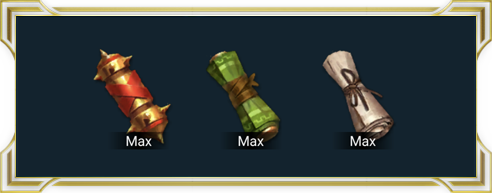
Each champion has their own mastery trees — three of them: Offense, Defense, and Support. You unlock and upgrade individual nodes by spending mastery scrolls (the main currency) and occasionally mastery glyphs (rarer, used for specific nodes). Once you unlock a mastery for a champion, it's permanent. No resetting, no losing progress. It's a one-time investment that makes that champion noticeably stronger forever.
The scrolls come from the Minotaur's Labyrinth dungeon. Farm it, collect scrolls, spend them. That's the loop. Higher stages of Minotaur give better scrolls in bigger quantities, so as your team gets stronger you'll be able to push deeper and kit out your roster faster.
The key word there is your roster — not every champion on your bench.
Don't Mastery Everyone
This is where a lot of new players go wrong. They unlock masteries and immediately start spreading scrolls around because it feels good to see progress everywhere. It isn't good. It's a waste.
Masteries are expensive and Minotaur scrolls take time to farm. Do them on champions you're keeping. That means your main campaign farmer first, then your first real damage dealer. If you're not sure whether you'll use a champion long-term, don't touch their masteries yet.
A fully mastered champion is significantly stronger than a half-mastered one. Two fully mastered champions will carry you further than six champions each sitting at 30% completion.
The Two Masteries That Actually Matter Early
Deep in the Offense tree, there are two capstone masteries that every damage dealer is built around: Warmaster and Giant Slayer. These are the reason you're investing in the Offense tree at all.
Here's the simple rule:
- Giant Slayer — for champions who hit the same target multiple times in one attack (multi-hit skills). Each individual hit has a chance to proc it.
- Warmaster — for champions who hit once or hit all enemies with AoE attacks. One hit, one proc chance, but it hits hard.
Most champions want one or the other. Not both. You'll see players argue about edge cases, but for 90% of damage dealers, pick the one that fits how they hit and move on.
Why do these matter so much? Because they deal bonus damage based on the enemy's MAX HP. That makes them brutal against bosses, especially Clan Boss, where health pools are enormous.
A Simple Offense Path for a Damage Dealer
You unlock nodes from the top of each tree downward, so you can't just jump straight to Warmaster or Giant Slayer. You have to work through the earlier tiers first. Here's a straightforward path that gets you there without wasting points:
- Deadly Precision — first tier, increases Critical Rate. Take it.
- Keen Strike — increases Critical Damage. Also take it.
- Shield Breaker (if it's on the path to your target mastery) — boosts damage against shielded enemies.
- Bring it Down — increases damage against enemies with higher HP. Useful and sits on the path to the endgame nodes.
- Methodical — gives an extra turn meter boost per hit in some contexts. Decent pick on the way through.
- Then continue down to Warmaster or Giant Slayer depending on your champion's kit.
You don't need to agonise over every single node between here and there. Take what looks useful, skip what doesn't apply to your champion's role, and keep moving toward the bottom. The capstone is the point.
Support Tree for Healers and Debuffers
If you're building a healer, a buffer, or a champion whose main job is landing debuffs and cycling turns, the Offense tree is mostly wasted on them. Focus on the Support tree instead.
A few picks worth knowing:
Lore of Steel is one of the more important early Support nodes. It increases the set bonus from your gear sets, which compounds well if you've got multiple pieces of the same set. If your champion is wearing a Speed set, for example, this makes it more effective.
From there, look for nodes that increase HP, improve debuff accuracy, or provide turn meter benefits. The support tree isn't as dramatic as Offense, but it keeps your utility champions alive longer and makes their debuffs stick more reliably.
You don't need to be as precise here. Pick nodes that match what the champion does — survivability for tanks and healers, accuracy-related nodes for debuffers — and work down the tree at your own pace.
If you're still deciding whether this game is for you, just play Raid for free and spend an evening unlocking masteries on your first champion. Seeing that power boost is one of the more satisfying early moments in the game.
Where to Farm Scrolls
Minotaur's Labyrinth is your only real source of mastery scrolls. There's no shortcut here. You run it, you collect scrolls, you spend them.
The scroll types you get depend on the stage. Lower stages give basic scrolls that fill the first few mastery tiers. Higher stages give the advanced and divine scrolls you need to unlock the deeper nodes — including Warmaster and Giant Slayer. You need to push Minotaur as high as your team can reliably clear.
"Reliably" is the key word. Don't burn energy on stages you're barely clearing. Find the highest stage you can three-star or auto without heavy effort, farm it consistently, and push higher as your team improves.
My Recommendation
Get Warmaster or Giant Slayer on your main damage dealer. That's the goal. Everything else — the Support tree, mastering your second or third champion, deciding between minor nodes — can wait until that's done.
Figure out whether your damage dealer hits once or hits multiple times per skill. Giant Slayer for multi-hit, Warmaster for single or AoE. Work down the Offense tree, don't spread scrolls around, and don't mastery champions you're not committed to.
It takes time. Minotaur isn't fast to farm early on. But a properly mastered damage dealer is one of the biggest single upgrades you can give your account, and it costs nothing except patience.
If you haven't started yet, play Raid for free — masteries are one of those systems that sound complicated until you're actually in the game using them, and then they click pretty quickly.
The "play Raid for free" links in this article are affiliate links.
More Guides


Comments (0)
No comments yet. Be the first to share your thoughts!